Pages

Showing posts with label best business practices. Show all posts

Thursday, June 18, 2015

Cash Flow Forecasting 101


     As every small-business owner knows, cash flow is so vitally important to the increased success of their company.  It allows the business to operate from day to day, paying vendors and employees to keep your service running smoothly.  It is also the key to growth.  Making investments at certain milestones in the life of your company cannot be done without cash.  There are loads of excuses for not getting handle on your cash flow, from time complaints to the forecast always being ‘inaccurate.’  But it remains, that the time you spend understanding your cash flow could be the most valuable investment of all.
     There is usually some degree of predictability based on industry norms.  Manage your cash flow based on these norms along the lines of your business model and prior operating history.  Making a forecast will help you be a better manager of the risks in growing your business.  This is can be especially tough for small-business owners, as they tend to not have as much cash “elbow room" on any given day.  You need to be able to predict expenses for the next 12 months, spot red flags in advance and have enough to stay afloat in financial storms.
     There is no one single plan, but rather 3 scenarios to outline when creating your cash flow forecast.  There are the (1)Best-case, (2)worst-case and (3)expected scenarios.  Identify the key factors that effect your business and their dynamics.  Sales cycles, competitors and reliability of products and services are a few of these variables.  You want to be proactive about handling any obstacles along the way, rather than constantly doing damage control.  You should be able to come up with a number for how much money your company will need in the next year to continue along your business plan, including when bills are due and when customers are expected to pay.

     Having a forecast will also help you achieve investment goals.  If you have major upcoming expenditures to grow your business, having a forecast will help you determine the best time to expand.  Your three scenarios should reflect three different bottom-line numbers.  You may not reach the exact goals, but creating these guidelines helps you make better decisions by understanding what you can and cannot afford. 

Tuesday, March 31, 2015

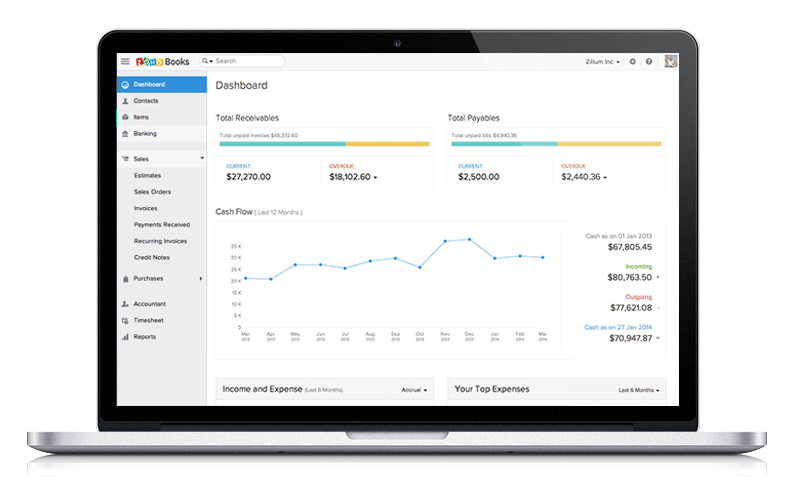
MUSTS for Accounting Software


So you have made the decision to purchase accounting software for your small business.  Congratulations!  That means you’re becoming successful enough to make such an investment and counting on future success.  You want to get on top of organizing your finances so your business has room to grow.  Now, where to begin when choosing WHICH software option is right for you.  The top two priorities when deciding which software is right for you are ease of use, and time savings.  This can encompass different things for different businesses, so here are a few guidelines when considering which software options to purchase.

1.  Basic Accounting Functions
Tasks like invoicing are essential, basic functions to bring money into your business.  Most businesses need an interface to create invoices either through email or by post.  Being able to tally income and track expenses as well as generating reports based on that information is valuable to your company and helps you make more informed decisions.  Another basic, but key function would be client and vendor administration.  Being able to pull up the histories between you and your clients with a click of a button means ease of use and less filing cabinets.

2.  Automation
If your calendar isn’t flooded with day to day tasks and making personal calls to your clients is something you pride yourself in, automation might not be a necessity.  However, if you have multiple projects happening at once, automation of invoicing, late notices, recurring payments, deposits, etc. is a godsend.  Keep your credit on track by paying your bills automatically.  Knowing when to cut off services by keeping track of who hasn’t paid yet can be a money and time saver.  Automation is essential to time-management for any business.

3.  Tax Preparation
This feature makes you and your accountant’s life WAY easier at the end of the year.  You can automate tax calculations at different tax rates and easily transfer data to your accountant.  Having an expense report, or any large purchase deductions at the ready equals time savings not tallying up your shoebox of receipts at the end of the year.

These are the major three you want to consider when making an accounting software purchase.  Lots of programs offer free trials, so you have a chance to try out the interface.  If your business has already blossomed, there are a few more features to assess.

4.  Quotes and Estimates
Some software allows you to generate templates on which to create quotes for potential clients, then automatically convert them to invoices.

5.  Payroll Processing
Calculating time sheets is time consuming.  With a payroll processing feature you can calculate hours, rate of pay and print checks.

6.  Third-party and mobile input.
If you want to be able to access and input data from anywhere you are, this is an important feature.  Automatically input data from your phone using a mobile version of your software or integrating a third party app such as a mileage tracker or device such as a POS system.


There are multiple solutions for your business accounting needs, the trick is finding the option that works for you.  Remember, its all about ease of use and time saving.  The software with the most bells and whistles can sometimes take up more of your time figuring out.  Pick the software within the scope of your business and it is likely to be as straighfoward as you.

Monday, January 5, 2015

Business in 2015: Arm Yourself With the Right Tools for Tax Season


Being a small business owner usually means doing a lot of the work yourself, on top of everything taxes can be a handful!  As long as you follow a few basic rules, you don’t have to sweat tax season at the last minute.

Get An Accountant.  
When you first open your business or shortly after you can afford it, get one. They can set you up with a system to keep all of your records for the year, whether it be paper or an electronic filing system, having accurately dated information is very helpful.  They’re very knowledgable and current with tax laws that may benefit your business with new tax breaks!  Also, they can inform you about what filing system might be best suited for your small business; filing monthly, quarterly or just annually. 

If you have employees, file the right forms.
Making sure you have all the right forms can protect you and your employee when tax season begins.  Have your employees file a W-4, and you can immediately begin withholding wages for tax purposes.  Contractors fill out a W-9.

Keep records, keep records, keep records.  Did I mention, keep records?
You never know what may be deductible for the tax year.  Keeping detailed income records is vital.  Gross receipts, inventory, investment interest, etc.  What also may prove helpful is keeping track of office expenses like rent, business vehicles, travel expenses even down to parking receipts.  The list goes on, just think, if you’re doing something for your business like just running to the store for paper clips, write down your mileage, keep the receipt for the paperclips.  Keeping track of employee payroll and contributions, legal fees and business insurance is also important.

Pay yourself.
Document how your salary is decided.  In most cases it is not legal to pay yourself with the entirety of the profits.  Pay yourself, and use the rest to increase your equity.

Finally, decide in advance how you want to prepare your taxes
You can use e-file or software, a CPA or a tax preparer, or do them yourself.  Request all the tax forms months in advance.  If you’re prepared, you can avoid incurring late fees.


As your business grows these things will become like second nature and keeping organized will seem like a synch.  Dreaded tax season won’t seem so bad after all!